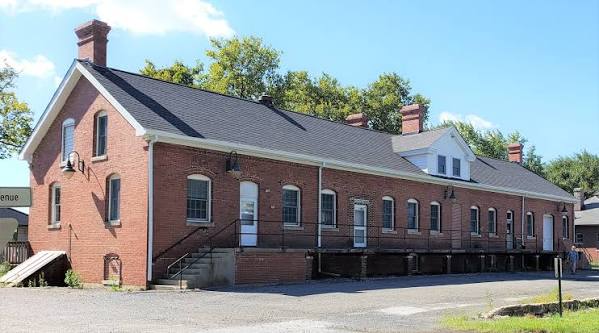
 Photo supplied by Main Street
Delaware City · History outdoors
Fort DuPont
Walk the trails, take in the parade grounds and discover a historic military post beside the Delaware River.
Help restore the Fort DuPont Theater
The historic theater’s next chapter is taking shape. Find its photograph, official restoration updates, community participation and ways to support Friends of Fort DuPont on the theater’s own page.
Theater restoration & ways to help →A walk through the former post
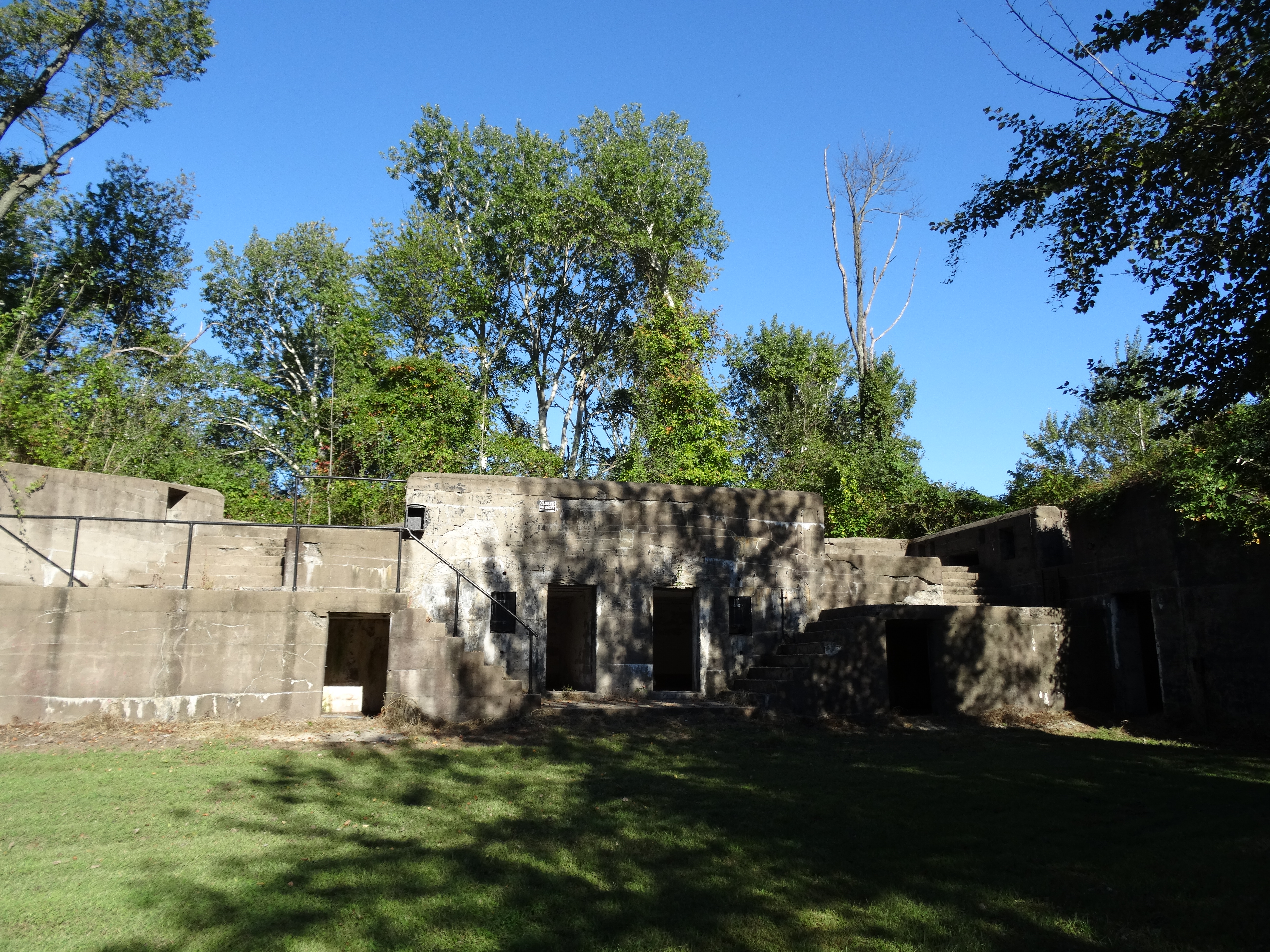
Explore marked public trails and open spaces, with river views and reminders of the fort’s coastal-defense role. Historic concrete gun batteries and the parade grounds help tell the story of the mainland installation.
Official park information & trail guidanceMilitary history on the mainland
Named for naval officer Samuel Francis du Pont, the post served as a military base from 1899 to 1945. It helped defend the Delaware River’s port cities and served during both World Wars. It is a separate site from Fort Delaware on Pea Patch Island.
State Parks’ Fort DuPont walking-tour historyA short walk away: African Union Church Cemetery
Established in 1835 when five trustees of the African Union Church bought a half acre of land for $80, this cemetery served Polktown, one of Delaware’s earliest free Black settlements. Among the marked burials are five veterans of Delaware’s United States Colored Troops, identified by government-issued headstones; many other graves remain unmarked. Restored through the work of the Friends of the African Union Church Cemetery, the site now includes a memorial plaza and lies along the Michael N. Castle Trail, so it can be reached on foot or by bike.
Bring a picnic. Respect the historic site.
Pick up lunch downtown and spend an unhurried afternoon in the park. Stay on public routes, follow posted parking and access signs, and respect closures. Historic structures are not all open to enter; check current conditions and facilities before your visit.
Check park access before you go